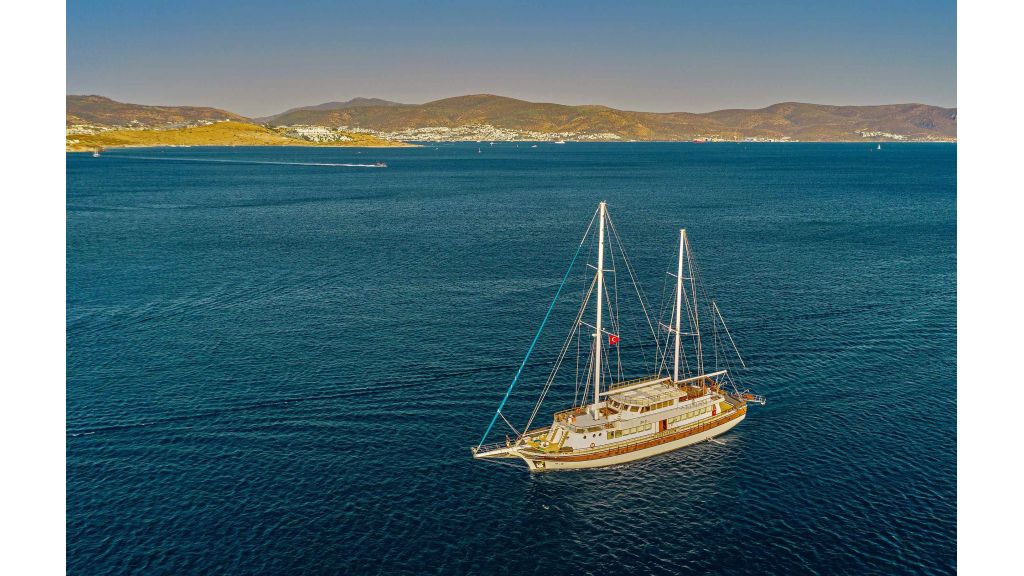


Sailing West from Bodrum Toward Ancient Didyma
Some itineraries follow familiar paths.
Others invite you to design the journey yourself.
Along the Aegean coast, both options are possible.
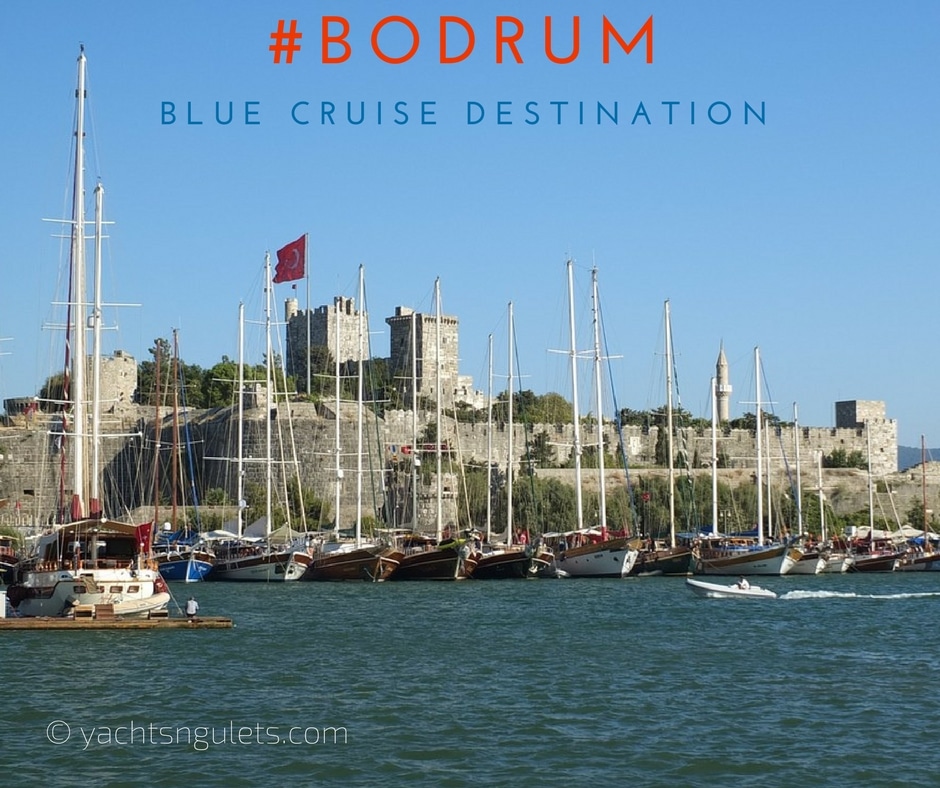
Thinking beyond standard routes? Share your travel dates and preferences, and we will explain which custom itineraries are realistically achievable.
Many classic blue cruise routes in Turkey begin in Bodrum and head east, connecting coastal highlights such as Marmaris, Dalyan, Göcek, Fethiye, and Kekova. These itineraries are well known for a reason, offering balanced distances and varied scenery.
However, travelers looking for something less conventional can also sail in the opposite direction. Heading west from Bodrum opens a different chapter of the Aegean, one shaped by ancient history and quieter passages.
Blue Cruises from Bodrum to Didyma
One such option leads toward Didyma, an area rich in archaeological significance. This route may be planned as a return journey or as a one-way cruise, depending on timing and logistics. For one-way trips, guests typically arrive via Milas–Bodrum Airport and depart from the same airport with a land transfer from Didim, which usually takes between 65 and 90 minutes.
An alternative arrival or departure point is İzmir Adnan Menderes Airport, though it requires a longer transfer. These considerations are part of why this route is often chosen by travelers who enjoy detailed planning and flexible travel arrangements.
Sailing toward Didyma allows time to explore one of Turkey’s most important ancient sites, including the Temple of Apollo. The region has hosted many civilizations over centuries, adding cultural depth to a coastal journey.
A Route for Curious Travelers
Because this westbound itinerary is less common, it may not be available for every gulet. It tends to appeal to groups interested in history, slower exploration, and shared discovery rather than busy social routes.
Families and multi-generation groups often find this type of journey especially rewarding, as it combines calm sailing days with meaningful shore visits and educational moments.
Those considering alternative directions often begin by reviewing different sailing options along the Turkish coast and then shaping the route around their interests, timing, and preferred pace.
Spring and early autumn are generally favored for this region, offering milder temperatures and fewer crowds, which suit both sailing conditions and archaeological visits.